
It plays a critical role in innate immunity, acting as a first line of defense against pathogens including bacteria, viruses, fungi, and parasites.
Founders Launch Sale — 40% OFF
Limited to the first 100 customers
Pre-order today to secure launch pricing
All pre-orders will ship within 1 week once production and quality verification are complete
Founders Launch Sale — 40% OFF
Limited to the first 100 customers
Pre-order today to secure launch pricing
All pre-orders will ship within 1 week once production and quality verification are complete
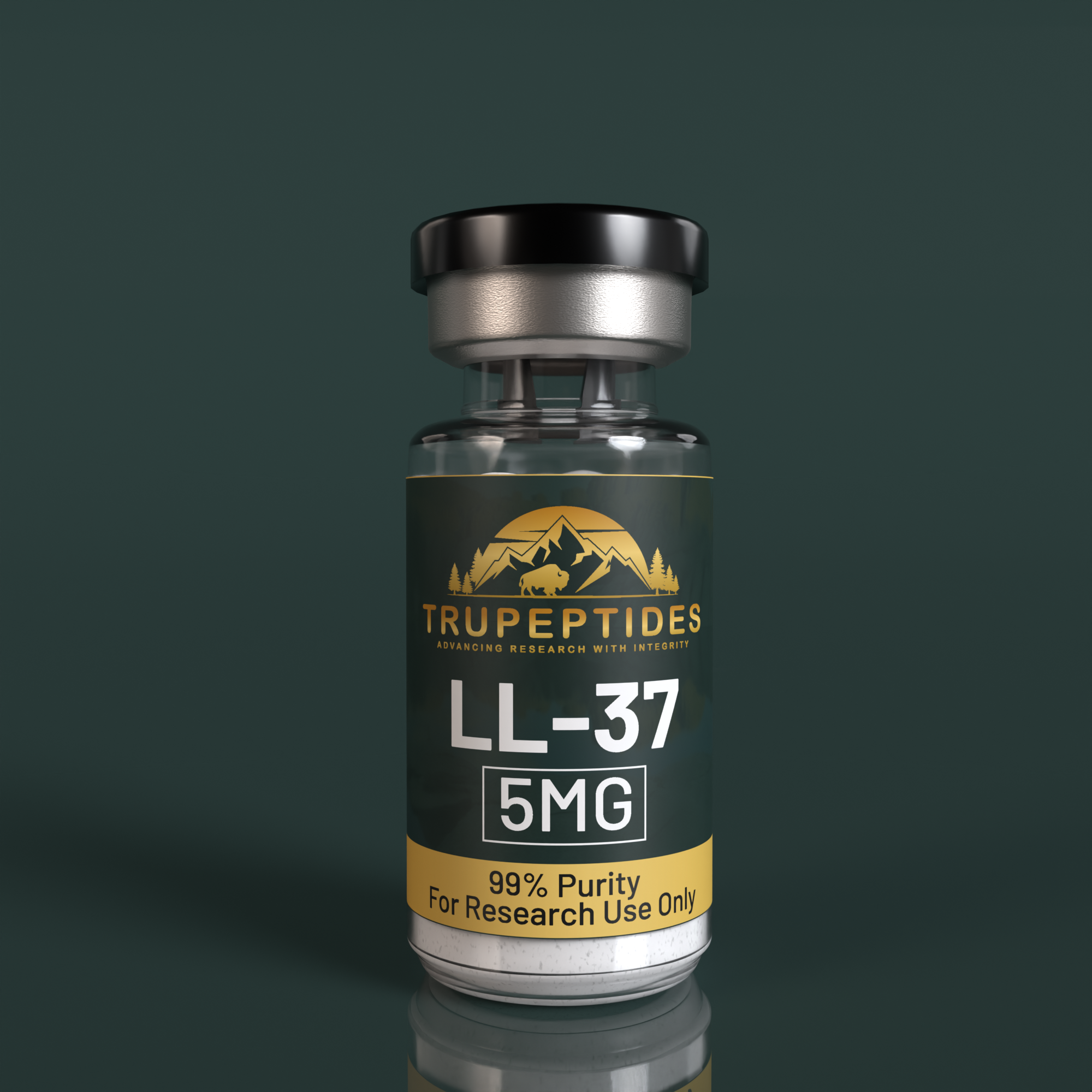
LL-37 5MG
LL-37 (human cathelicidin antimicrobial peptide) is a synthetic peptide with potent antimicrobial, anti-inflammatory, and tissue-regenerative properties. This 5mg research-use-only sample is intended for laboratory analysis under controlled conditions. Results may vary based on experimental parameters. For research use only.
$95.00
Satisfaction Guaranteed
Secure
Payment
Third-party
Tested
Research Use Disclaimer
Every serious peptide company prominently displays this. Example Research Use Only All products offered by TruPeptides are intended strictly for laboratory research purposes.
Research Use Disclaimer
Every serious peptide company prominently displays this. Example Research Use Only All products offered by TruPeptides are intended strictly for laboratory research purposes.
LL-37 5MG
LL-37 is a naturally occurring human cathelicidin peptide with potent antimicrobial and immunomodulatory properties. This product provides a standardized research-grade peptide for use in academic, biochemical, and biochemical research applications only.
Research Context
LL-37, also known as cathelicidin antimicrobial peptide (CAP), is synthesized in humans from the precursor protein hCAP18. It plays a crucial role in innate immunity by directly killing a wide range of pathogenic microorganisms, including bacteria, fungi, and certain viruses. Beyond its antimicrobial functions, LL-37 also modulates inflammation, tissue repair, and vascular permeability, making it a subject of extensive study in immunological and biochemical research.
Research Overview
LL-37 has been extensively investigated in preclinical studies for its potential role in infection control, wound healing, and disease pathogenesis. Research has explored its interactions with host defense mechanisms, membrane disruption capabilities, and involvement in chronic inflammatory conditions. Due to its multifunctional properties, LL-37 is a valuable tool for studying antimicrobial resistance, host-pathogen dynamics, and tissue-specific immune responses.
Key Research Focus Areas
- Antimicrobial activity
- Innate immune modulation
- Wound healing and tissue repair
- Inflammation and immune response regulation
- Bacterial resistance mechanisms
- Viral interaction studies
Cautions and Compliance
This peptide is intended for laboratory research purposes only. Its administration or use in any form of human or animal study, clinical application, or therapeutic context is strictly prohibited. Users must follow standard laboratory safety protocols, including proper handling procedures for peptides and biohazard waste disposal. All experimental procedures must comply with applicable regulations and ethical guidelines.
For research use only. Not for human or animal consumption.
📚 Peer-Reviewed Study
LL-37 (Cathelicidin) and Innate Immunity: Antimicrobial and Immunomodulatory Mechanisms
▼
📚 Peer-Reviewed Study
LL-37 (Cathelicidin) and Innate Immunity: Antimicrobial and Immunomodulatory Mechanisms
Introduction to LL-37
LL-37 is a human antimicrobial peptide belonging to the cathelicidin family and is the only such peptide identified in humans.
Research Objective
The referenced study aimed to investigate the structural and functional role of the LL-37 domain in immune system activation.
Researchers focused on understanding how LL-37 and its fragments contribute to antimicrobial activity and immune response modulation.
Study Design and Methodology
This study is a comprehensive review of host defense peptides, particularly cathelicidins, analyzing their structural domains and biological activity.
It evaluates experimental data on LL-37 fragments and their interaction with immune receptors across various biological systems.
Key Findings — Antimicrobial and Immune Activity
LL-37 exhibits broad-spectrum antimicrobial activity and plays a significant role in immune defense mechanisms.
The study highlights that LL-37 and its fragments contribute to both pathogen elimination and immune signaling processes, making it a key component of innate immunity.
Mechanisms of Action
LL-37 functions by disrupting microbial membranes and interacting with immune receptors to regulate inflammatory responses.
It also influences chemotaxis, cytokine production, and cellular signaling pathways involved in host defense.
Implications for Immunological Research
LL-37 is widely studied for its dual role in antimicrobial defense and immune modulation, making it relevant in research on infections, inflammation, and tissue repair.
Its multifunctional properties position it as a key molecule in the development of novel therapeutic strategies targeting immune pathways.
Conclusion
LL-37 plays a central role in innate immune defense through both direct antimicrobial action and regulation of immune responses.
These findings support continued research into its mechanisms and applications in infection and immune-related conditions.
Frequently Asked Questions (FAQ)
What is LL-37?
LL-37 is a human antimicrobial peptide from the cathelicidin family involved in innate immune defense.
What does LL-37 do?
It kills pathogens and regulates immune responses through antimicrobial and immunomodulatory actions.
What were the main findings?
The study showed that LL-37 and its fragments play a key role in both pathogen defense and immune signaling.
Where is LL-37 found in the body?
It is expressed in epithelial tissues and immune cells throughout the body.
Is LL-37 only antimicrobial?
No. It also plays an important role in immune modulation and inflammatory response regulation.
📚 Study Reference
Leite M.L. et al. Peptides. 2023;165:171011.

Related Peptides
Related products
-
IGF-1 LR3 1MG
$90.00 -
Retatrutide
$80.00 – $250.00Price range: $80.00 through $250.00This product has multiple variants. The options may be chosen on the product page -
AOD-9604 5MG
$65.00 – $120.00Price range: $65.00 through $120.00This product has multiple variants. The options may be chosen on the product page -
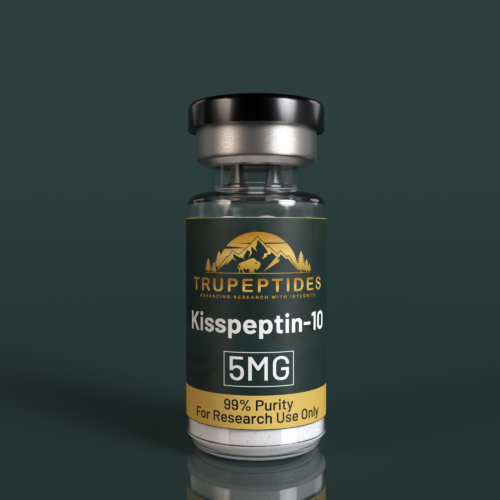
Kisspeptin-10
$65.00 – $120.00Price range: $65.00 through $120.00This product has multiple variants. The options may be chosen on the product page