
Prior studies have demonstrated its ability to accelerate healing of muscles, tendons, ligaments, and bone tissue. It has been shown to restore myotendinous junctions and support recovery in severe musculoskeletal injuries that typically do not regenerate.
Founders Launch Sale — 40% OFF
Limited to the first 100 customers
Pre-order today to secure launch pricing
All pre-orders will ship within 1 week once production and quality verification are complete
Founders Launch Sale — 40% OFF
Limited to the first 100 customers
Pre-order today to secure launch pricing
All pre-orders will ship within 1 week once production and quality verification are complete
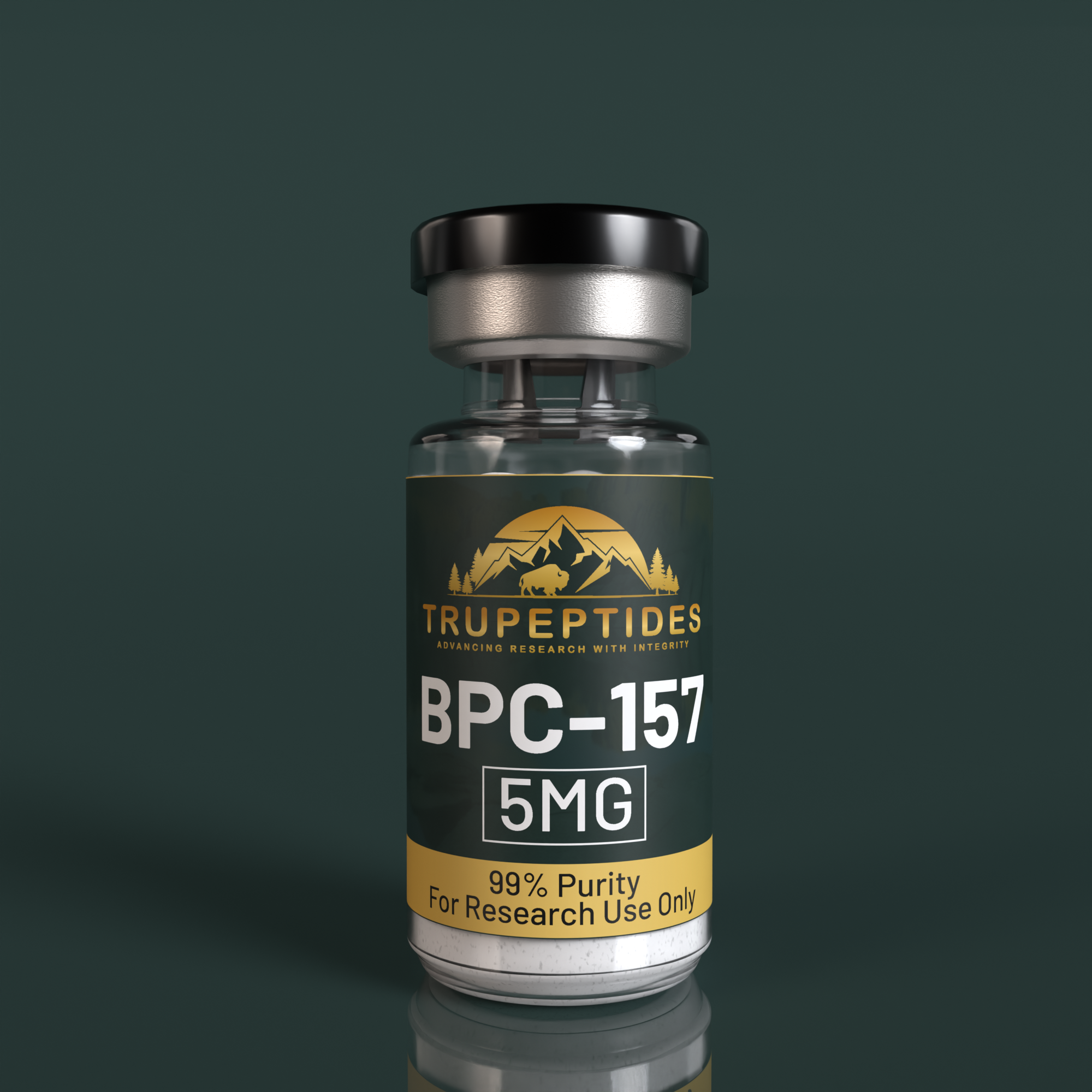
BPC-157
Categories: Peptides, Recovery, Repair & Regeneration
BPC-157 is a research-use-only peptide derived from gastric bypass wound healing fluid, structurally characterized by its 15-amino acid sequence. Currently studied in laboratory-use contexts, it holds potential for further investigation in wound repair, gastrointestinal research, and regenerative biology. For research use only.
$60.00 – $100.00Price range: $60.00 through $100.00
Satisfaction Guaranteed
Secure
Payment
Third-party
Tested
Research Use Disclaimer
Every serious peptide company prominently displays this. Example Research Use Only All products offered by TruPeptides are intended strictly for laboratory research purposes.
Research Use Disclaimer
Every serious peptide company prominently displays this. Example Research Use Only All products offered by TruPeptides are intended strictly for laboratory research purposes.
BPC-157
BPC-157 is a synthetic peptide sequence derived from the bovine stomach fund (BPC), intended for academic and scientific research applications. This molecule has been studied in preclinical research for its potential biological properties, including tissue repair and regeneration mechanisms, which remain under investigation within laboratory settings.
Research Context
BPC-157 is part of a broader class of peptides known as Bioactive Polypeptides, initially isolated from bovine gastric juice. Since its discovery, this peptide has been investigated primarily in animal models and in vitro studies to explore its potential effects on wound healing, gastrointestinal repair, and tissue regeneration. The research focus has largely centered on its mechanisms of action at the cellular and molecular level, rather than therapeutic efficacy in humans.
Research Overview
Preclinical studies involving BPC-157 have demonstrated its potential to modulate inflammatory responses, stimulate cellular proliferation, and enhance extracellular matrix production in various tissues. These findings are typically observed in controlled experimental environments, such as laboratory animals with induced injuries or degenerative conditions. Importantly, while early results suggest promising biological activity, translation of these findings to human health remains speculative and is not supported by any approved clinical applications as of the latest available scientific data.
Key Research Focus Areas
- Tissue Repair Mechanisms
- Inflammatory Response Regulation
- Extracellular Matrix Remodeling
- Gastrointestinal Integrity and Healing
- Potential Synergistic Effects with Other Biologics
Important Research-Only Disclaimer
The information provided regarding BPC-157 is for academic and scientific research purposes only. This peptide is not intended for human or animal consumption, nor does it constitute medical advice. All research involving BPC-157 must adhere to ethical standards, regulatory guidelines, and institutional approvals applicable to the institution conducting the study. Further investigation is required before any conclusions can be drawn regarding potential therapeutic or biological effects in vivo. Researchers are advised to consult relevant literature and local regulatory authorities for up-to-date guidelines.
For research use only. Not for human or animal consumption.
📚 Peer-Reviewed Study
Muscle-to-Bone Reattachment in Rats Using Gastric Pentadecapeptide BPC 157
▼
📚 Peer-Reviewed Study
Muscle-to-Bone Reattachment in Rats Using Gastric Pentadecapeptide BPC 157
Introduction to Gastric Pentadecapeptide BPC 157
Gastric pentadecapeptide BPC 157 is a naturally derived peptide found in gastric juice, known for its exceptional stability in acidic environments. It remains intact for over 24 hours, allowing oral administration without degradation.
Research Objective
This study evaluated whether stable gastric pentadecapeptide BPC 157 could reverse permanent quadriceps muscle-to-bone detachment in rats.
The goal was to assess whether oral administration could achieve both functional and structural recovery—an outcome not previously achieved with pharmacological interventions.
Study Design and Methodology
Male Wistar rats underwent surgical detachment of the quadriceps muscle from the femur and iliac bone. Treatment groups received BPC 157 orally at doses of 10 µg/kg or 10 ng/kg, starting five minutes post-surgery.
Recovery was monitored over 90 days using walking recovery indices, motor function testing, biomechanical assessments, MRI and ultrasound imaging, and histological analysis.
Key Findings — Functional and Structural Recovery
Rats treated with BPC 157 showed significant recovery in walking ability and motor function, achieving near-normal gait patterns. In contrast, untreated controls exhibited persistent impairment.
Muscle contracture was completely reversed in treated animals, while untreated rats developed progressive atrophy. Imaging confirmed closure of the muscle–bone gap within weeks, and full reattachment was observed by day 90.
Imaging and Structural Healing
Ultrasound imaging demonstrated early closure of the detachment gap within 21–28 days. MRI scans confirmed complete reattachment at 90 days in treated animals.
Histological analysis revealed integration of muscle fibers into newly formed bone, organized collagen deposition, and reactivation of periosteal tissue—indicating true structural regeneration.
Mechanisms of Action
BPC 157 promoted mesenchymal cell proliferation and periosteal activation, enabling new bone formation and muscle integration.
Additional mechanisms included angiogenesis (enhanced blood supply), cytoprotection (reduced tissue damage), and modulation of the nitric oxide (NO) pathway, which supports vascular regulation and tissue repair.
Implications for Musculoskeletal Healing
These findings suggest that BPC 157 may play a significant role in treating severe musculoskeletal injuries, including tendon ruptures, ligament damage, and bone repair scenarios.
Its oral stability and broad regenerative profile distinguish it from traditional therapies that degrade rapidly or lack multi-system healing effects.
Conclusion
BPC 157 successfully achieved complete muscle-to-bone reattachment in rat models, restoring both function and structural integrity.
Treated animals demonstrated full recovery, while untreated controls showed permanent impairment. These results strongly support further translational research into its role in musculoskeletal repair.
Frequently Asked Questions (FAQ)
What is gastric pentadecapeptide BPC 157?
It is a stable peptide derived from gastric juice, known for regenerative, angiogenic, and cytoprotective properties in animal models.
What does BPC 157 do in the body of rats?
It promotes healing of muscles, tendons, ligaments, and bones by enhancing blood flow, collagen formation, and cellular repair mechanisms.
Is BPC 157 effective for tendon and muscle repair in rats?
Yes, it has demonstrated the ability to restore tendon-to-bone and muscle-to-bone connections that typically fail to heal naturally.
How was BPC 157 administered in the study?
It was administered orally in drinking water at doses of 10 µg/kg and 10 ng/kg starting immediately after surgery.
What were the measurable outcomes?
Outcomes included improved walking function, reversal of contracture, preserved muscle mass, and complete structural reattachment confirmed by imaging.
Can these findings be applied to humans?
No. These findings are based on controlled animal studies and serve as preclinical evidence only.
📚 Study Reference
Matek D. et al. Pharmaceutics. 2025;17(1):119.

Related Peptides
Related products
-
AOD-9604 5MG
$65.00 – $120.00Price range: $65.00 through $120.00This product has multiple variants. The options may be chosen on the product page -
Kisspeptin-10
$65.00 – $120.00Price range: $65.00 through $120.00This product has multiple variants. The options may be chosen on the product page -
Cerebrolysin 60MG
$400.00 -
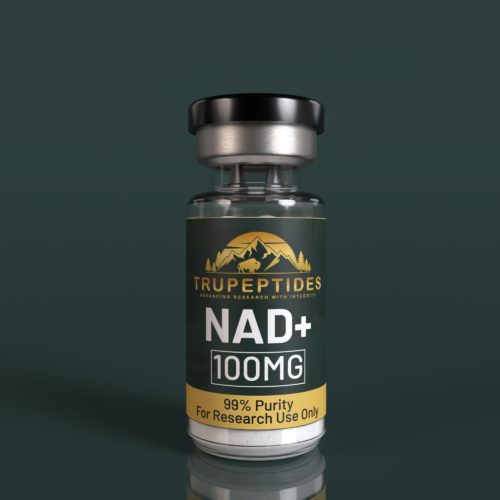
NAD+
$100.00 – $400.00Price range: $100.00 through $400.00This product has multiple variants. The options may be chosen on the product page