
Despite consuming the same number of calories, MOTS-c-treated mice gained significantly less weight than untreated controls, demonstrating increased metabolic efficiency and energy expenditure.
Founders Launch Sale — 40% OFF
Limited to the first 100 customers
Pre-order today to secure launch pricing
All pre-orders will ship within 1 week once production and quality verification are complete
Founders Launch Sale — 40% OFF
Limited to the first 100 customers
Pre-order today to secure launch pricing
All pre-orders will ship within 1 week once production and quality verification are complete
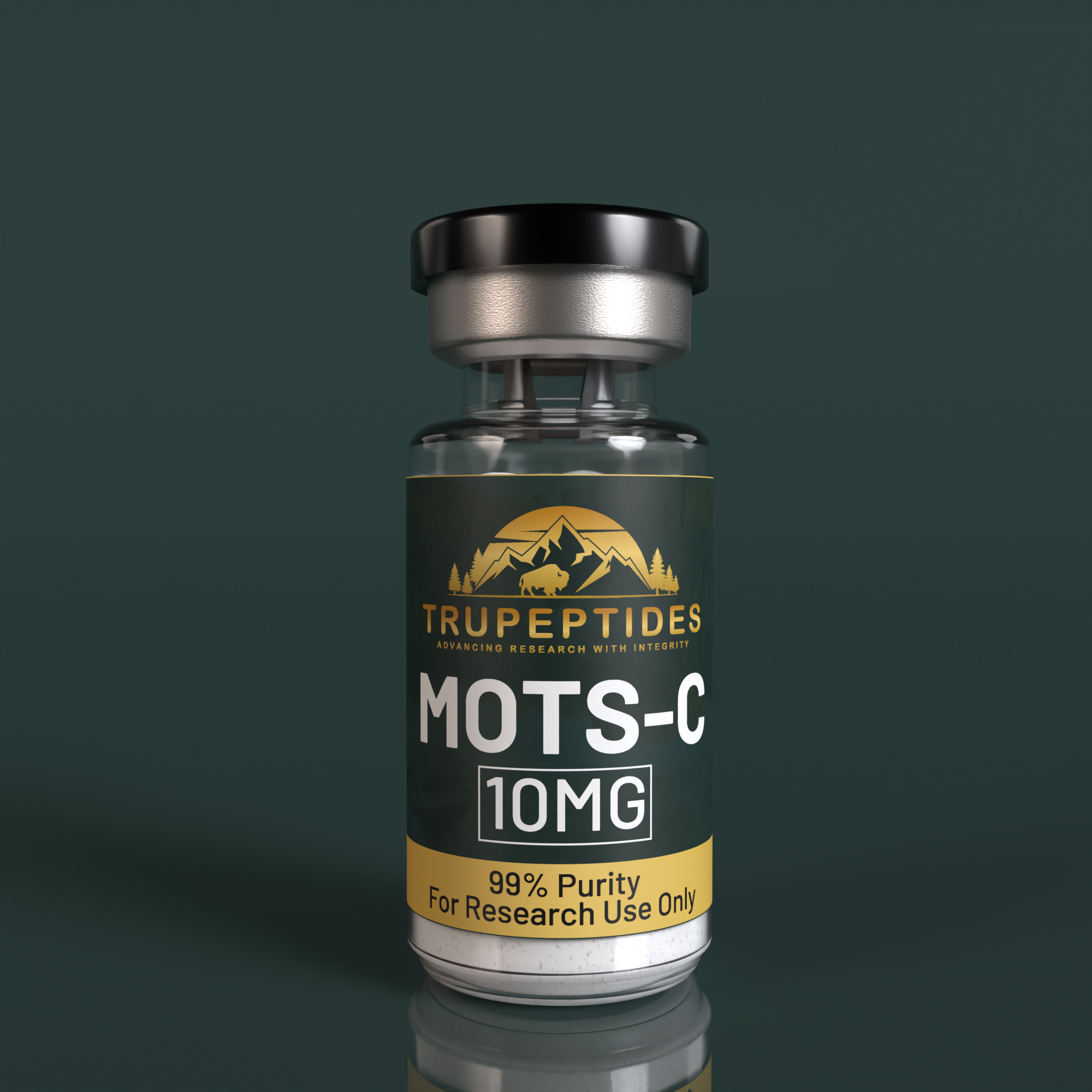
MOTS-C
MOTS-C is a highly conserved mitochondrial-derived peptide under investigation for potential biochemical and cellular research applications. Structurally derived from mitochondrial transcripts, it plays a role in metabolic signaling and stress responses. For research use only.
$110.00 – $360.00Price range: $110.00 through $360.00
Satisfaction Guaranteed
Secure
Payment
Third-party
Tested
Research Use Disclaimer
Every serious peptide company prominently displays this. Example Research Use Only All products offered by TruPeptides are intended strictly for laboratory research purposes.
Research Use Disclaimer
Every serious peptide company prominently displays this. Example Research Use Only All products offered by TruPeptides are intended strictly for laboratory research purposes.
MOTS-C: Mitochondrial Open Reading Frame Candidate-C
MOTS-C is a novel peptide derived from the mitochondrial open reading frame (MOTS) family, known for its potential role in metabolic regulation, mitochondrial function, and cellular energy homeostasis. This peptide is currently studied in preclinical and translational research settings to explore its effects on cellular and organismal physiology under controlled experimental conditions.
Research Context
MOTS-C is a small, hydrophobic peptide identified within the mitochondrial genome, specifically within the non-coding region of the human mitochondrial DNA. Initial research suggests it shares structural and functional similarities with other MOTS peptides, such as MOTS-A, which has been investigated for its potential effects on insulin sensitivity, muscle function, and longevity-related pathways. Given its mitochondrial localization, MOTS-C may influence processes such as oxidative phosphorylation, mitochondrial biogenesis, and stress response within eukaryotic cells.
Research Overview
Studies on MOTS-C have primarily focused on its expression in various cell types, including skeletal muscle, liver, and adipose tissue, under both basal and stress-inducing conditions. Early findings indicate that MOTS-C may modulate energy metabolism, potentially affecting outcomes such as glucose tolerance and muscle mass. However, its specific mechanisms remain under active investigation, and mechanistic insights are still emerging in preclinical research models. This peptide is often studied in conjunction with other mitochondrial-targeted molecules to assess its isolated or combinatory effects on metabolic pathways.
Key Research Focus Areas
- Cellular Energy Metabolism: Examination of MOTS-C’s role in mitochondrial function, ATP production, and metabolic flux under different physiological or pathological conditions.
- Muscle and Skeletal Physiology: Investigation of its potential influence on muscle fiber type composition, muscle atrophy, and regenerative capacity in experimental models.
- Stress Response and Longevity: Exploration of how MOTS-C might interact with stress signaling pathways, including those linked to oxidative damage and mitochondrial quality control mechanisms.
- Comparative Expression and Variability: Analysis of MOTS-C expression levels across different tissues, species, and developmental stages to understand its conservation and variability in biological systems.
Important Compliance and Safety Statement
This peptide is provided strictly for academic and research purposes under the supervision of qualified investigators. Due to its potential influence on cellular processes, including mitochondrial function and metabolism, proper experimental controls, biosafety measures, and regulatory compliance are essential. Users must adhere to all applicable institutional guidelines and ethical standards. Research involving MOTS-C should be conducted in accordance with the principles of responsible scientific practice.
For research use only. Not for human or animal consumption.
📚 Peer-Reviewed Study
MOTS-c in Mice: Reduced Weight Gain on a High-Fat Diet
▼
📚 Peer-Reviewed Study
MOTS-c in Mice: Reduced Weight Gain on a High-Fat Diet
Overview of the Study
This study investigated whether the MOTS-c peptide could counteract metabolic dysfunction caused by a high-fat diet in mice.
Why MOTS-c Is Being Studied for Metabolic Health
MOTS-c is a mitochondrial-derived peptide that regulates systemic metabolism rather than simply producing cellular energy.
It plays a role in glucose metabolism, insulin sensitivity, and energy balance, and its levels decline with age—making it a key target in metabolic research.
Experimental Design and Methodology
Mice were placed on a 60% high-fat diet and divided into treated and control groups.
MOTS-c was administered daily via intraperitoneal injection. Researchers measured body weight, food intake, glucose levels, insulin sensitivity, energy expenditure, and liver fat accumulation.
Key Findings — Less Weight Gain Without Eating Less
MOTS-c-treated mice gained significantly less weight despite identical caloric intake.
This effect was driven by increased energy expenditure, higher carbohydrate utilization, and enhanced thermogenesis rather than reduced food intake.
Improved Glucose Metabolism and Insulin Sensitivity
Treated mice showed lower fasting glucose and insulin levels, along with improved insulin sensitivity.
Skeletal muscle glucose uptake increased significantly, indicating improved metabolic function in key insulin-responsive tissues.
Protection Against Fatty Liver Development
MOTS-c significantly reduced liver fat accumulation in mice fed a high-fat diet.
This suggests protection against diet-induced fatty liver disease and improved overall metabolic health across multiple organs.
Mechanism of Action — AMPK Activation
MOTS-c activates AMP-activated protein kinase (AMPK) in skeletal muscle, increasing GLUT4 expression and glucose uptake.
This pathway enhances energy expenditure, fatty acid oxidation, mitochondrial function, and metabolic efficiency—explaining reduced weight gain despite unchanged caloric intake.
Discussion and Scientific Implications
MOTS-c demonstrates a unique mechanism by increasing energy expenditure rather than suppressing appetite.
Its ability to improve metabolism, insulin sensitivity, and fat distribution positions it as an important subject in mitochondrial and metabolic research.
Conclusion
MOTS-c provided strong protection against obesity, insulin resistance, and fatty liver in mice fed a high-fat diet.
These findings highlight its role as a mitochondrial regulator of energy balance, though all results are based on animal models only.
Frequently Asked Questions
What is MOTS-c?
MOTS-c is a mitochondrial-derived peptide that regulates metabolism, glucose utilization, and energy balance.
How did MOTS-c reduce weight gain in mice?
It increased energy expenditure and metabolic efficiency, allowing mice to gain less weight despite identical calorie intake.
Does MOTS-c improve insulin sensitivity?
Yes, treated mice showed improved glucose control and increased skeletal muscle insulin sensitivity.
What is AMPK and why is it important?
AMPK is a key metabolic regulator that increases energy production and improves glucose uptake, activated by MOTS-c in this study.
Can these results apply to humans?
No, these findings are based on controlled animal studies and require further research.
📚 Study Reference
The mitochondrial-derived peptide MOTS-c promotes metabolic homeostasis and reduces obesity and insulin resistance

Related Peptides
Related products
-
Selank 10MG
$55.00 -
NAD+
$100.00 – $400.00Price range: $100.00 through $400.00This product has multiple variants. The options may be chosen on the product page -
Kisspeptin-10
$65.00 – $120.00Price range: $65.00 through $120.00This product has multiple variants. The options may be chosen on the product page -
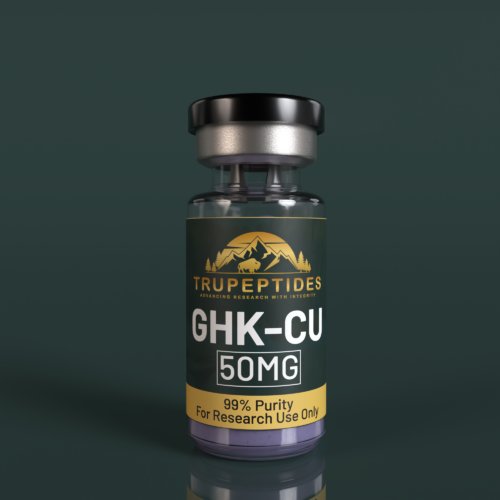
GHK-CU
$70.00 – $125.00Price range: $70.00 through $125.00This product has multiple variants. The options may be chosen on the product page