Over a 12-month period, aged mice received daily NMN supplementation at doses ranging from 100–300 mg/kg through drinking water. Results demonstrated that NMN successfully restored NAD+ to more youthful levels, improved metabolic parameters, enhanced physical performance, and prevented age-related gene expression changes across multiple organ systems.
Founders Launch Sale — 40% OFF
Limited to the first 100 customers
Pre-order today to secure launch pricing
All pre-orders will ship within 1 week once production and quality verification are complete
Founders Launch Sale — 40% OFF
Limited to the first 100 customers
Pre-order today to secure launch pricing
All pre-orders will ship within 1 week once production and quality verification are complete
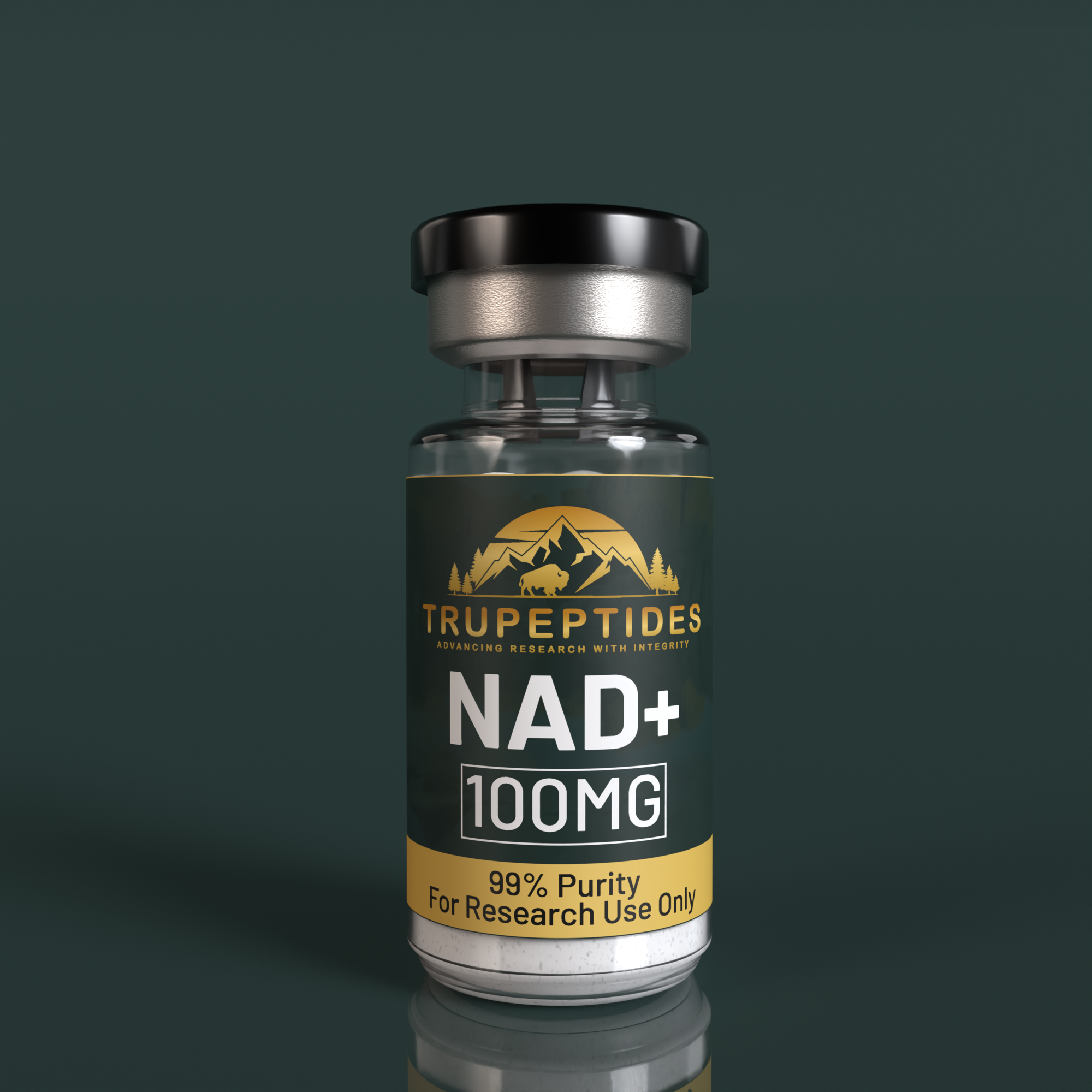
NAD+
Categories: Anti-Aging & Longevity, Peptides
NAD+ is a critical coenzyme involved in metabolic and cellular processes. This research-use-only peptide is designed for laboratory applications in studying NAD+ dynamics, metabolic pathways, and associated biochemical mechanisms. For research use only.
$100.00 – $400.00Price range: $100.00 through $400.00
Satisfaction Guaranteed
Secure
Payment
Third-party
Tested
Research Use Disclaimer
Every serious peptide company prominently displays this. Example Research Use Only All products offered by TruPeptides are intended strictly for laboratory research purposes.
Research Use Disclaimer
Every serious peptide company prominently displays this. Example Research Use Only All products offered by TruPeptides are intended strictly for laboratory research purposes.
NAD+
NAD+ (Nicotinamide Adenine Dinucleotide) is a crucial coenzyme found in all living cells, playing a central role in redox reactions and metabolic processes. This research-use-only compound is a key player in cellular energy production, DNA repair, and aging research. Below are details regarding its significance in academic and research applications.
NAD+ is a naturally occurring molecule that exists in multiple forms, including oxidized (NAD+) and reduced (NADH) states. Its primary function in biological systems is to facilitate electron transfer during metabolic processes. NAD+ serves as an essential substrate for enzymes involved in DNA repair, epigenetic regulation, and cellular energy homeostasis. Its declining levels have been associated with aging and various age-related diseases, making it a focal point in biogerontology and metabolic research.
Research Overview
Research into NAD+ supplementation has predominantly focused on its potential to modulate metabolic pathways, enhance cellular resilience, and influence longevity. Studies have explored NAD+ precursors, such as nicotinamide riboside (NR) and nicotinamide mononucleotide (NMN), as alternative methods to boost endogenous NAD+ levels. These investigations are critical in understanding how NAD+ dynamics may contribute to or mitigate degenerative processes in models ranging from yeast to mammalian organisms.
Key Research Focus Areas
- Metabolic Regulation: NAD+ plays a pivotal role in adenosine diphosphate (ATP) synthesis via the electron transport chain (ETC) and glycolysis. Research has examined how NAD+ levels impact mitochondrial function, particularly under stress conditions such as caloric restriction, exercise, and fasting.
- DNA Repair and Epigenetics: NAD+-dependent enzymes, such as poly(ADP-ribose) polymerase (PARP), are essential for repairing DNA damage. Reduced NAD+ levels are linked to increased susceptibility to genomic instability, contributing to cancer progression and aging. Investigations include exploring PARP inhibitors and NAD+ boosters as therapeutic targets.
- Longevity and Age-Related Diseases: Accumulating evidence suggests that NAD+ depletion correlates with age-associated declines in tissue function and systemic health. Research in model organisms has explored NAD+-enhancing interventions to delay aging phenotypes, including neurodegenerative diseases (e.g., Alzheimer’s and Parkinson’s) and metabolic disorders (e.g., diabetes and cardiovascular disease).
- Sirtuin Activation: NAD+ is a cofactor for sirtuins (SIRT1–7), a family of longevity-associated enzymes that modulate chromatin remodeling, stress responses, and metabolic reprogramming. Research has investigated the interplay between NAD+ availability and sirtuin activity in aging and disease prevention.
- Neuroprotection and Cognitive Function: NAD+ supplementation has been explored in preclinical models for its neuroprotective effects. Studies have examined how NAD+ modulates neuronal energy metabolism, synaptic plasticity, and inflammation, with implications for neurodegenerative diseases and cognitive aging.
This product is intended solely for research purposes and is not intended for therapeutic, cosmetic, or diagnostic applications. Its use should be strictly in accordance with approved institutional guidelines and regulatory standards applicable to research institutions.
For research use only. Not for human or animal consumption.
📚 Peer-Reviewed Study
NMN in Aged Mice: Restored NAD+ Levels and Mitigates Age-Associated Physiological Decline
▼
📚 Peer-Reviewed Study
NMN in Aged Mice: Restored NAD+ Levels and Mitigates Age-Associated Physiological Decline
Overview of the Study
This groundbreaking study investigated whether long-term supplementation with nicotinamide mononucleotide (NMN), a key NAD+ precursor, could restore NAD+ levels in aged mice and reverse age-associated physiological decline. Led by researchers Yoshino, Mills, and colleagues at Washington University School of Medicine, the study examined the effects of chronic NMN administration on metabolic function, gene expression, mitochondrial health, and tissue physiology.
Why NAD+ Precursors Are Being Studied for Aging
NAD+ is a critical molecule that supports essential cellular processes including energy production, DNA repair, and stress resistance. Research demonstrates that NAD+ levels decline significantly with age across multiple tissues including liver, muscle, adipose tissue, and brain. This decline impairs mitochondrial function, disrupts metabolic signaling, and increases vulnerability to age-related diseases.
NMN serves as a direct NAD+ precursor that can be rapidly absorbed and converted into NAD+ within cells. Unlike other NAD+ boosting strategies, NMN provides an efficient pathway to replenish cellular NAD+ pools through the salvage pathway, making it a promising intervention for counteracting age-related metabolic dysfunction and restoring cellular health.
Experimental Design and Methodology
The study compared young (5-month-old) and aged (22-month-old) C57BL/6 mice over a 12-month treatment period. NMN was administered daily at doses of 100–300 mg/kg through drinking water, with a separate oral gavage experiment confirming rapid absorption and conversion of NMN into NAD+ within minutes.
Comprehensive assessments included body weight and food intake monitoring, physical activity and energy expenditure measurements, insulin sensitivity testing through glucose and insulin tolerance tests, lipid metabolism and inflammation markers, mitochondrial function via respiration assays, and extensive gene expression profiling across liver, adipose tissue, and skeletal muscle. These multifaceted evaluations enabled researchers to comprehensively assess NMN’s effects as an NAD+ precursor across metabolic and physiological systems.
Key Findings — NAD+ Restoration and Metabolic Activity
Within minutes of administration, NMN was efficiently converted to NAD+ in liver and muscle tissues, as confirmed by isotopic tracing studies. Aged mice receiving NMN experienced restoration of NAD+ levels comparable to those observed in younger animals, representing a remarkable reversal of age-related NAD+ decline.
This restoration corresponded with increased activity of NAD-dependent enzymes, particularly SIRT1, a key regulator of metabolism and longevity. NMN supplementation also stimulated mitochondrial regulators such as PGC-1α, enhancing mitochondrial biogenesis and metabolic turnover. Aged mice displayed elevated oxygen consumption, improved respiratory quotient, and sustained energy expenditure relative to age-matched control animals, demonstrating functional metabolic rejuvenation.
Improved Physical and Physiological Parameters
NMN-treated mice exhibited broad improvements consistent with restored metabolic health across multiple organ systems:
Enhanced metabolic rate: Increased whole-body oxygen consumption (VO₂) and energy expenditure during aging, indicating improved metabolic efficiency
Superior insulin sensitivity: Lower glucose levels during insulin tolerance tests and reduced hepatic triglyceride accumulation, suggesting improved glucose metabolism
Better visual function: Reduced retinal degeneration and stronger electroretinography responses, demonstrating neuroprotective effects
Reduced inflammation: Gene pathway analysis revealed suppression of cytokine and immune activation pathways in white adipose tissue
Improved mitochondrial function: Skeletal muscle displayed higher maximal respiratory capacity and restored mitochondrial oxidative function
Overall, NMN promoted multi-system improvements linked to mitochondrial and metabolic rejuvenation, suggesting comprehensive anti-aging effects.
Molecular Mechanisms Underpinning NMN’s Action
NMN is efficiently converted into NAD+ via the cellular salvage pathway, bypassing rate-limiting steps that become compromised with aging. Gene expression analysis revealed that NMN prevented 76% of age-related gene expression changes in skeletal muscle and 73% in adipose tissue, demonstrating profound effects on age-related transcriptional drift.
Elevated NAD+ levels activated SIRT1-dependent signaling cascades, leading to improved mitochondrial oxidative phosphorylation, enhanced cellular energy production, and suppression of age-associated inflammatory gene signatures. The molecular data collectively demonstrate that NMN’s role as an NAD+ precursor re-establishes youthful transcriptional and metabolic profiles across multiple tissue types, addressing fundamental mechanisms of aging at the cellular level.
Safety and Long-Term Tolerability
Throughout the 12-month supplementation period, NMN demonstrated an excellent safety profile with no adverse effects observed. Comprehensive toxicological assessments including hematology panels and histopathological examinations revealed no abnormalities.
Organ histology remained normal across liver, kidney, and heart tissues, with no pathological changes detected. Importantly, NMN treatment did not increase mortality rates or cause behavioral abnormalities. Food intake remained stable and normal throughout the study period. These findings confirm the long-term tolerability of NMN supplementation and support its potential for safe use in translational contexts and future human trials.
Broader Implications for NAD+ Research and Human Aging
This study strengthens the hypothesis that declining NAD+ levels represent a central driver of age-related metabolic dysfunction and physiological decline. By restoring NAD+ through NMN supplementation, researchers demonstrated multi-system rejuvenation encompassing metabolism, visual function, mitochondrial capacity, inflammation reduction, and enhanced physical activity.
The comprehensive nature of these improvements highlights NMN’s therapeutic potential as an intervention that addresses multiple aspects of aging simultaneously rather than targeting individual pathways. As NAD+ research accelerates globally, these robust preclinical findings provide a strong foundation for human clinical trials aimed at targeting age-associated decline through NAD+ precursor interventions. The results suggest that maintaining optimal NAD+ levels may be crucial for healthy aging and metabolic resilience.
Conclusion
NMN, a potent NAD+ precursor, substantially counteracted age-associated physiological decline in mice through restoration of NAD+ levels, enhanced mitochondrial function, stabilized metabolic regulation, and suppressed inflammatory gene signatures. The 12-month study validated the therapeutic direction of ongoing NAD+ research focused on combating metabolic aging and age-related dysfunction.
These findings demonstrate that NMN supplementation can reverse multiple hallmarks of aging at the molecular, cellular, and physiological levels. Future research will determine the translational impact of NMN on human aging, metabolic health, and clinical outcomes, with promising implications for extending healthspan and combating age-related diseases.
Frequently Asked Questions
What does Nicotinamide Adenine Dinucleotide (NAD+) do?
NAD+ supports mitochondrial ATP production, DNA repair, redox balance, and sirtuin activity—all essential for cellular health and longevity. As NAD+ levels decline with age, these critical cellular functions become impaired, contributing to metabolic dysfunction, reduced energy, and increased susceptibility to age-related diseases.
What are NAD+ precursors and how do they work?
NAD+ precursors—including NMN and nicotinamide riboside (NR)—are molecules that enter the NAD+ salvage pathway to increase intracellular NAD+ levels. NMN provides a direct and efficient route to NAD+ replenishment by being rapidly converted to NAD+ in cells, thereby restoring metabolic integrity and cellular function.
How does NMN differ from NR in boosting NAD+ levels?
NR must first be phosphorylated to NMN before it can be converted to NAD+, adding an extra biochemical step. In contrast, NMN directly converts to NAD+ without this intermediate conversion, providing a more immediate pathway for replenishing cellular NAD+ stores and potentially offering faster effects on cellular metabolism.
What are the latest findings from NAD+ studies in mice?
The Yoshino et al. study demonstrated that long-term NMN treatment in aged mice improved insulin sensitivity, metabolic rate, mitochondrial function, and eye health while preventing 73–76% of age-driven transcriptional changes across multiple tissues. These comprehensive improvements suggest NMN can reverse multiple aspects of biological aging simultaneously.
How does NMN act as an NAD+ precursor in biological systems?
NMN is rapidly absorbed following oral administration and enzymatically converted to NAD+ primarily in liver and muscle tissues within minutes. This conversion occurs through the NAD+ salvage pathway, efficiently restoring NAD-dependent metabolic pathways and cellular energy production that decline with aging.
What physiological benefits were observed in NAD+ studies involving NMN in mice?
NMN supplementation produced multiple physiological benefits including improved energy metabolism and oxygen consumption, reduced systemic inflammation, better retinal function and reduced eye degeneration, enhanced insulin sensitivity and glucose metabolism, and significantly improved mitochondrial respiration capacity across multiple tissues.
How does NMN influence mitochondrial health and metabolic stability in mice?
NMN increased mitochondrial oxidative phosphorylation capacity, enhanced expression of mitochondrial biogenesis factors like PGC-1α, and corrected age-related mitochondrial protein imbalances. These changes resulted in improved metabolic efficiency, increased energy expenditure, and restoration of youthful mitochondrial function in aged animals.
Are there safety concerns with long-term NMN supplementation in the study?
No toxicity or adverse effects were reported during the 12-month study period. Comprehensive analyses including hematology panels, organ histology, and behavioral assessments revealed no abnormalities. Mortality rates were not increased, and all organ systems remained healthy, demonstrating excellent long-term tolerability of NMN supplementation.
What are the next steps in NAD+ research?
Future research priorities include clinical studies evaluating NMN’s effects on human aging and healthspan, investigation of optimal dosing strategies for different age groups and health conditions, assessment of NMN’s impact on age-related diseases and metabolic disorders, and examination of biomarkers that predict individual responses to NAD+ precursor supplementation.
📚 Study Reference
Mills KF, Yoshida S, Stein LR, et al. Long-Term Administration of Nicotinamide Mononucleotide Mitigates Age-Associated Physiological Decline in Mice. Cell Metab. 2016;24(6):795-806. doi:10.1016/j.cmet.2016.09.013
Related Peptides
Related products
-
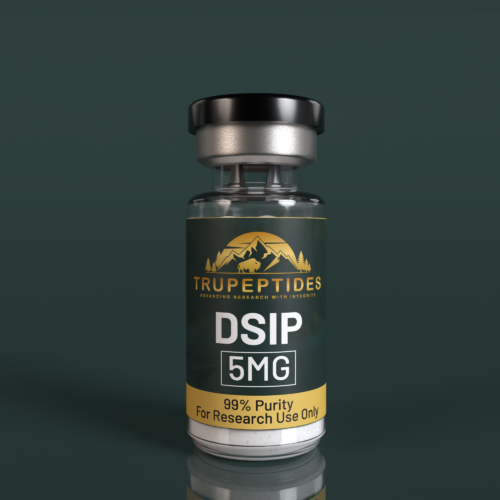
DSIP
$45.00 – $120.00Price range: $45.00 through $120.00This product has multiple variants. The options may be chosen on the product page -
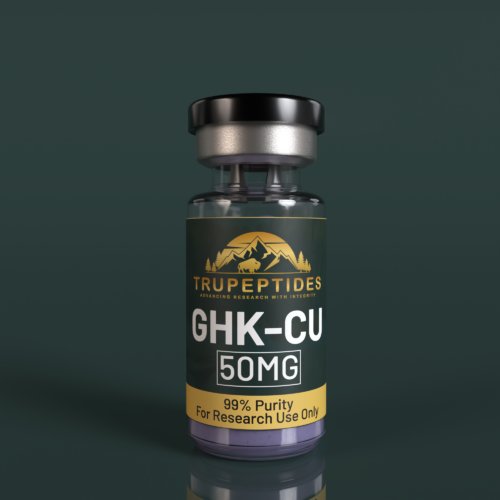
GHK-CU
$70.00 – $125.00Price range: $70.00 through $125.00This product has multiple variants. The options may be chosen on the product page -
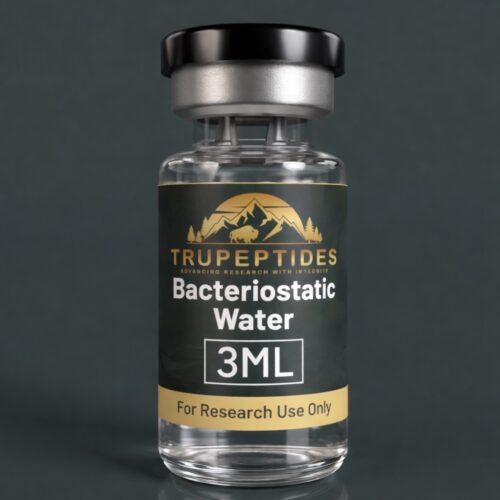
Bacteriostatic Water
$10.00 – $20.00Price range: $10.00 through $20.00This product has multiple variants. The options may be chosen on the product page -
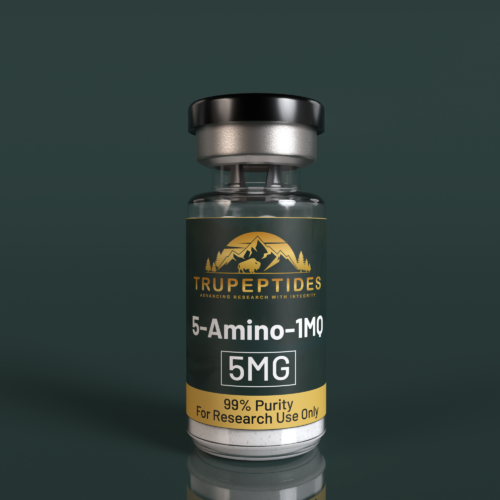
5-Amino-1MQ
$40.00 – $330.00Price range: $40.00 through $330.00This product has multiple variants. The options may be chosen on the product page